Most people type a rough idea into an AI image generator like ChatGPT and hope for the best. Sometimes it works. More often, the output is wrong because the writing pattern or mood or something else is not accurate. The problem is not the tool. It is the prompt. AI image models do not read intent; they respond to structure. A vague input produces an average output, every single time.
Writing prompts that get consistent, usable results is a learnable skill. It follows a clear formula: subject, style, lighting, composition, and mood. Layered in the right order, with the right specificity. Once you understand that structure, the results shift from random to repeatable
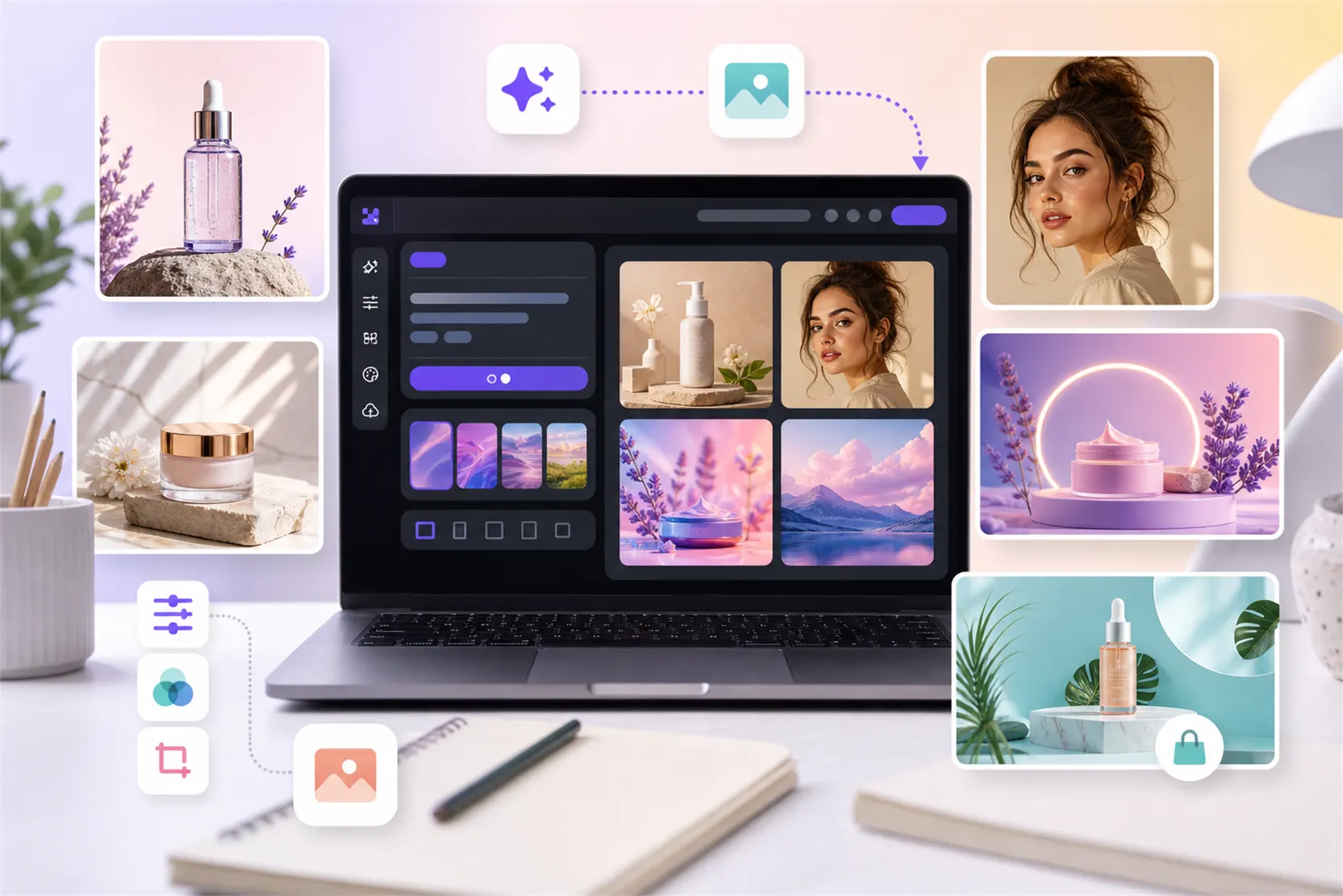
This guide covers that formula in full, with real prompt examples, prompt writing tips for image-generating AI tools like Midjourney, DALL·E, or others, and the most common mistakes to avoid. If you are using Pixelbin to generate, upscale, or manage your AI images, getting your prompts right is what makes the difference between an image you publish and one you bin. Whether you are a beginner, content creator, marketer, or designer, you will leave with prompts that actually work.
What is an AI Image Prompt?
An AI image prompt is the text instruction you type into an image generator. Tools like Midjourney, Stable Diffusion, DALL·E, or Pixelbin read that text and turn it into a visual. No design skills required, no drawing, no templates. Your words are the only input the tool works from. That is what makes getting those words right so important.
How does AI read your prompt?
The model does not interpret your prompt the way a human would. It breaks your text into tokens, matches them against patterns from millions of training images, and renders the most statistically likely version of your description.
Type "a woman in a forest" and you will get the average of every forest portrait in its training data. This is why specificity wins every time. The model weighs these elements most heavily, in this order:
- Subject and action
- Art style or medium
- Lighting
- Composition and framing
- Mood, color, texture
Words like beautiful, stunning, and amazing sit at the bottom of that list. They appear across too many unrelated images in training data to carry any visual meaning.
Weak vs strong AI image prompts
| Weak prompt |
Why it fails |
Strong prompt |
| A man walking |
Too vague. No age, setting, mood, style, or camera direction. |
A 40-year-old man in a brown trench coat walking alone through a rainy city street at night, neon reflections on wet pavement, cinematic lighting, medium shot, photorealistic. |
| Product photo of perfume |
No surface, lighting, background, or brand mood. |
A luxury glass perfume bottle with amber liquid on a marble surface, soft studio lighting from the left, deep emerald background, subtle shadow, editorial product photography, 1:1 format. |
| Cute cat |
No pose, environment, or style. |
A fluffy orange cat sleeping on a windowsill beside white flowers, warm morning sunlight, cozy indoor background, shallow depth of field, watercolor illustration style. |
| YouTube thumbnail |
No subject, emotion, layout, or text space. |
A surprised creator pointing at a glowing laptop screen, bold yellow background, high contrast studio lighting, empty space on the left for title text, 16:9 YouTube thumbnail style. |
The 7 elements of a perfect AI image prompt
Most people write prompts like a search query. A few words, hit generate, hope for the best. The ones who consistently get great results treat a prompt like a creative brief. Every element has a job. Leave one out, and the AI fills that gap with whatever it thinks is most average.
Here are the 7 elements that separate a prompt that works from one that wastes your time.
1. Subject - What is actually in the image
This is the foundation of your prompt. If the subject is vague, nothing else can save the output. The AI needs to know who or what it is rendering, what they look like, what they are doing, and where they are positioned in the frame.
The detail level that matters most: age, ethnicity, hair, clothing, expression, body position, and accessories.
- Wrong: "person standing outside"
- Correct: "30-year-old South Asian woman with short curly hair, wearing an oversized olive green jacket and white sneakers, relaxed expression, hands in pockets, standing on a quiet city street"
Prompt example: "elderly Japanese fisherman, weathered skin, deep wrinkles, grey stubble, wearing a traditional navy straw hat, holding a tangled fishing net with both hands, standing at a worn wooden dock at sunrise, slight smile
2. Style - How the image should look
Style tells the AI what visual language to use. Without it, the model defaults to a generic look that rarely matches what you had in mind. This is one of the highest-impact elements in any prompt.
- Photorealistic: "DSLR photography, Canon 5D Mark IV, natural skin texture, sharp focus"
- Illustration: "hand-drawn editorial illustration, ink outline, flat color fills, textured paper background"
- Artistic: "oil painting, impasto texture, thick visible brushstrokes, inspired by Rembrandt lighting"
- 3D and CGI: "3D render, Octane render, subsurface scattering, soft studio lighting, ultra detailed"
- Anime: "anime style, Studio Ghibli inspired, soft line art, pastel color palette, expressive eyes"
Prompt example: "a ceramic coffee mug on a wooden table, product photography style, Canon 5D, soft natural window light from the left, shallow depth of field, sharp focus on the mug handle, warm neutral tones, highly detailed"
3. Lighting - What sets the mood
Lighting is the most underused element by beginners and the most used by professionals. It changes the entire feel of an image without changing the subject at all.
- Natural: "golden hour sunlight, long warm shadows, soft orange glow across the face"
- Dramatic: "chiaroscuro lighting, single candle as the only light source, deep shadows on one side"
- Studio: "three-point studio lighting, clean white background, even soft exposure, no harsh shadows"
- Time-based: "blue hour twilight, cool ambient light, soft gradient sky, long exposure"
- Neon: "neon-lit back alley, pink and cyan light reflections, rain-soaked concrete, night scene"
Prompt example: "a female chef plating a dish in a restaurant kitchen, dramatic overhead single-source lighting, shadows falling sharply across the counter, steam rising from the plate, dark moody background, cinematic feel, shallow depth of field"
4. Composition - How the frame is built
Composition tells the AI where to place the subject and from what angle to show it. Without a composition direction, the AI defaults to a flat centered shot every time.
- Framing: close-up, medium shot, wide shot, extreme close-up, full body shot
- Angle: bird's eye view, low angle looking up, eye level, over-the-shoulder, Dutch angle
- Frame rule: rule of thirds, centered symmetry, subject on left with negative space on right
- Background: shallow depth of field, solid white background, blurred bokeh background, environmental context
Prompt example: "wide angle shot of a lone hiker standing on a rocky mountain ridge, low angle looking up at the figure, subject positioned on left third of frame, dramatic storm clouds filling the upper two-thirds, sharp foreground rocks, blurred distant peaks"
5. Colors - Palette and tone
Color direction gets skipped by most people and then they wonder why their outputs feel flat. The AI picks statistically common colors when you give it no direction, which usually means uninspired and generic.
"warm earthy palette, terracotta, burnt orange, and sage green tones"
"monochromatic blue scheme, varying shades of navy, cobalt, and ice blue"
"vibrant neon colors, high contrast, electric pink and acid green"
"muted desaturated pastel tones, soft and airy, faded film look"
"black and white only, high contrast, deep blacks, film noir aesthetic"
Prompt example: "a flat lay of autumn skincare products on a linen surface, warm earthy palette, terracotta and cream tones, soft natural light, matte textures, editorial product photography, highly detailed"
6. Technical Specifications - Quality and format
These terms signal to the model that you want a polished output, not a rough draft. Skipping them often means getting a soft, low-detail result even when everything else in the prompt is strong.
- Resolution and quality: 4K, 8K, ultra-detailed, highly detailed, sharp focus, high resolution
- Format: transparent background, square format, portrait orientation, 16:9 cinematic ratio
- Render quality: professional photography, photorealistic render, crisp clean edges, noise-free
Prompt example: "minimalist logo concept for a wellness brand, clean vector style, soft sage green and white, transparent background, sharp edges, 8K, no gradients, professional graphic design"
7. Negative Prompt - What to never include
This is the second half of a prompt that most people never write. Negative prompts tell the AI what to exclude. They are not optional. They are the difference between a clean output and one you spend ten minutes trying to fix in post.
Common negatives that improve almost every output:
"blurry, out of focus, soft edges, low resolution, pixelated, jpeg compression artifacts" "deformed hands, extra fingers, missing limbs, fused fingers, bad anatomy, distorted face" "text, watermark, logo, signature, border, frame, username" "oversaturated, overexposed, flat lighting, washed out colors, blown highlights" "cartoon style, illustrated, painterly," add these specifically when you need photorealism
A solid base negative prompt you can use across almost any realistic image: blurry, deformed, watermark, text, low quality, extra limbs, bad anatomy, oversaturated, pixelated, out of focus.
Prompt breakdown through 7 elements
Here is all 7 elements combined into one working AI image prompt:
- Subject - 30-year-old South Asian woman, short curly hair, wearing an oversized olive jacket, looking at the camera, relaxed expression
- Style - oil painting style
- Lighting- golden hour lighting, from the left
- Composition- close-up portrait
- Color- warm, earthy palette
- Technical specifications- highly detailed 8K
- Negative prompt- blurry, watermark, text, bad anatomy, low quality
Complete Prompt - "30-year-old South Asian woman with short curly hair, wearing an oversized olive jacket, looking at the camera with a relaxed expression, oil painting style, golden hour lighting from the left, close-up portrait, warm earthy palette, highly detailed, 8K. Negative: blurry, watermark, text, bad anatomy, low quality"
Author’s update- The above prompt gives the AI almost nothing to guess. Which means almost nothing to get wrong. Start with this structure every single time, and your output quality will improve from the very first generation.
Common mistakes to avoid when writing AI image prompts
If your AI image outputs are inconsistent, generic, or just not what you pictured, the problem is almost always in the prompt. Here are the seven mistakes that cause it most of the time.
1. Vague subject description
A prompt like "a woman in a park" gives the model nothing specific to work from. Describe age, hair, clothing, expression, and position. The more specific the subject, the closer the output gets to what you actually want.
2. No style or medium specified
Without a style term the model defaults to a generic photorealistic render. Always state the medium upfront. Photorealistic, oil painting, flat illustration, or concept art each take the same subject in a completely different visual direction.
3. Overusing vague adjectives
Words like beautiful, stunning, and amazing carry no visual meaning in a prompt. Replace them with words that describe something visible. Sharp-featured instead of beautiful and so on
4. Missing lighting instructions
Lighting is what separates a flat output from a cinematic one. A prompt without a lighting term leaves one of the most important visual decisions entirely to the model. Golden hour, studio lighting, and rim light each produce a completely different image from the same subject.
5. Skipping the negative prompt
A prompt without a negative prompt has no guardrails. Deformed hands, blurry edges, watermarks, and bad anatomy appear because nothing told the model to avoid them. Add a base negative prompt to every single generation without exception.
6. Conflicting style instructions
Prompts that ask for photorealistic and oil painting style in the same sentence give the model two contradictory instructions. The output will either pick one or produce an inconsistent mix of both. One style direction per prompt, always.
7. Rewriting the entire prompt when iterating
Changing everything at once when the first output is wrong makes it impossible to identify what caused the problem. Change one element per iteration. Lighting first. Then style. Then composition. Systematic changes produce faster, more predictable improvements.
How to write better AI image prompts in Pixelbin
When using Pixelbin’s AI Image Generator, your prompt works best when it is paired with the right generation settings. Start with a clear subject, then use Pixelbin’s controls to guide the output instead of overloading the prompt with too many instructions.
A simple Pixelbin workflow:
1. Select Auto model if you are unsure which model fits your prompt.
2. Write the main prompt with subject, setting, style, lighting, and composition.
3. Use Prompt Enhancement if your prompt feels too short or unclear.
4. Choose style, camera angle, and color palette from the available controls.
5. Select the right aspect ratio: 1:1 for social posts, 16:9 for thumbnails and banners, 9:16 for stories and reels.
6. Generate multiple variations and compare the results.
7. Upscale or edit the best image before publishing.
Example Pixelbin prompt:
“Minimal skincare product photo featuring a white serum bottle on a beige stone surface, soft natural window light from the left, warm neutral palette, clean editorial product photography, centered composition, subtle shadow, premium beauty brand mood.”
Negative prompt:
“blurry, distorted bottle, extra label text, watermark, harsh shadows, oversaturated colors, messy background”
AI image prompt tips by platform
| Tool |
Best prompt style |
Useful tip |
| Pixelbin |
Clear descriptive prompt + style, camera, palette, and aspect ratio controls |
Use references and prompt enhancement instead of adding too many conflicting details. |
| ChatGPT / DALL·E |
Natural language, full sentences, clear purpose |
Explain what the image is for, such as blog header, ad creative, or product mockup. |
| Midjourney |
Short descriptive phrases with style and camera terms |
Use aspect ratio and style parameters when needed. |
| Stable Diffusion |
Keyword-rich prompt with negative prompt |
Negative prompts are especially useful for anatomy, blur, artifacts, and unwanted text. |
| Adobe Firefly |
Clear commercial/design prompt |
Works well when you specify style, composition, color, and use case. |
| Ideogram |
Prompts that include short text inside images |
Keep text short, use quotes, and describe font style clearly. |
How to prompt realistic human portraits
For human portraits, add details that make the person feel real instead of overly smooth or artificial. Mention skin texture, expression, lighting, and eye detail.
Useful terms:
- natural skin texture
- visible pores
- soft facial lines
- catchlight in the eyes
- realistic expression
- shallow depth of field
- natural hair texture
Example
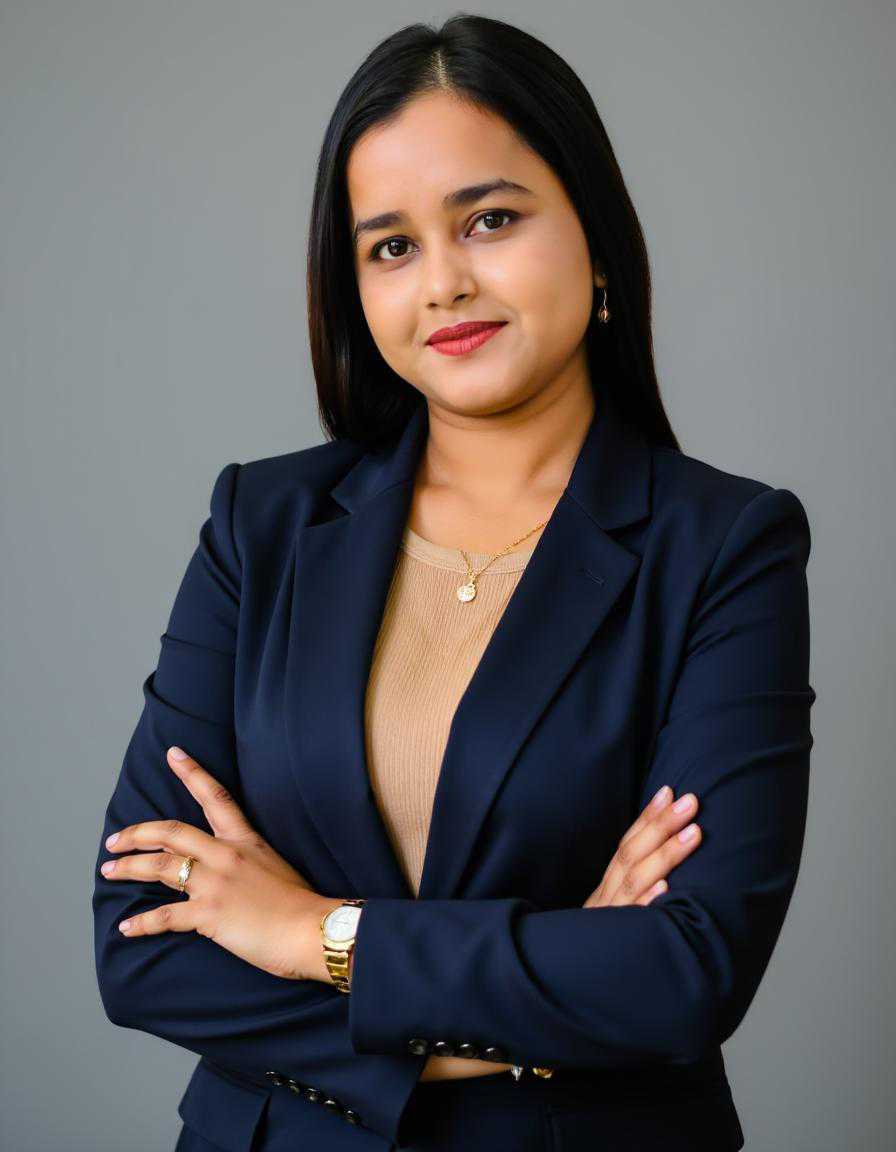
“Close-up portrait of a 32-year-old Indian woman with shoulder-length black hair, warm confident expression, natural skin texture, visible pores, soft catchlight in the eyes, wearing a cream blazer, soft studio lighting, clean grey background, photorealistic headshot, sharp focus.”
Negative prompt:
“plastic skin, doll-like face, blurry eyes, distorted face, extra teeth, harsh shadows, over-smoothed skin”
How to improve a prompt after the first result
Do not rewrite the entire prompt when the first image is wrong. Change one element at a time so you know what fixed the result.
Use this order:
1. Fix the subject if the main object or person is wrong.
2. Fix the composition if the framing is wrong.
3. Fix the lighting if the image feels flat.
4. Fix the style if it looks too realistic, too cartoonish, or off-brand.
5. Fix the colors if the mood does not match.
6. Add a negative prompt only for specific unwanted issues.
Example iteration:
First prompt: “A coffee mug on a table.”
Better prompt: “A white ceramic coffee mug on a wooden cafe table, morning sunlight from the left, shallow depth of field, warm cozy mood, photorealistic product photography.
Final prompt: “A white ceramic coffee mug on a rustic wooden cafe table, steam rising gently, soft morning sunlight from the left, blurred background, warm beige and brown palette, close-up product photography, sharp focus on mug handle, 1:1 format.”
30+ AI generated prompt templates by use case
This section provides 30+ ready-to-use prompt templates for blog thumbnails, social media, product photography, avatars, and more. Copy any template, customize it for your needs, and generate high-quality AI images instantly without design skills.
1. Blog & YouTube thumbnail template
Thumbnails are the first click decision a reader makes. A weak image loses the click before the title is even read. These prompts fix that across every blog niche and format in both blog and YouTube thumbnail generator.
Prompt 1: Tech Blog Thumbnail: "laptop on a minimal desk, minimalist flat design, navy blue and white color palette, centered composition, clean white background, simple geometric accent lines, bold navy typography space on the left third, no clutter, no texture, vector style, sharp edges, 16:9 ratio, 8K, professional blog thumbnail. Negative: busy background, gradients, drop shadows, 3D effects, watermark, text"
Prompt 2: Wellness Blog Thumbnail: "single green plant in a ceramic pot, minimalist flat design, sage green and cream color palette, centered composition, soft cream background, clean negative space on the right for text, no clutter, no texture, vector illustration style, sharp clean edges, 16:9 ratio, 8K, professional blog thumbnail. Negative: busy background, gradients, shadows, noise, watermark, text"
Prompt 3: Marketing Blog Thumbnail: "confident young woman pointing directly at camera with a surprised expression, bold red background, high contrast studio lighting, dynamic composition, subject positioned on the right third, large empty space on the left for text overlay, cinematic tight crop from waist up, slight low angle shot, vivid saturated colors, sharp focus on face, dramatic key light from the left, photorealistic, 16:9 ratio, 8K, YouTube thumbnail style. Negative: blurry, dull colors, flat lighting, watermark, text, bad anatomy, extra fingers"
Prompt 4: Finance Blog Thumbnail: "stressed businessman in a suit looking at a laptop screen with wide eyes and open mouth, bold yellow background, high contrast lighting, dynamic angled composition, subject on the left third, empty space on the right for text overlay, cinematic crop from chest up, slight low angle, vivid saturated colors, sharp focus on face and expression, dramatic overhead studio lighting, photorealistic, 16:9 ratio, 8K, YouTube thumbnail style. Negative: blurry, muted colors, flat lighting, watermark, text, logo, distorted face, bad anatomy"
2. Social media posts template
Social media visuals decide whether someone stops or scrolls. Generic AI outputs blend into the feed. These templates are built for each platform's exact format, audience behavior, and visual standard for all the top social media image editor.
Prompt 5: Lifestyle Instagram Post: "young woman sitting cross-legged on a linen couch reading a book, soft natural window light from the right, warm earthy tones, terracotta and cream palette, shallow depth of field, rule of thirds composition, photorealistic, cozy and intimate mood, highly detailed, 8K, square format, Instagram post visual. Negative: blurry, cluttered background, watermark, text, bad anatomy, oversaturated"
Prompt 6: Food Instagram Post: "overhead flat lay of a rustic wooden table with a ceramic bowl of ramen, chopsticks resting on the side, spring onions and sesame seeds as garnish, soft diffused natural light, warm neutral tones, centered composition, shallow depth of field on the bowl, photorealistic food photography, highly detailed, 8K, square format, Instagram post visual. Negative: blurry, harsh shadows, watermark, text, plastic look, oversaturated"
Prompt 7: Fitness Instagram Story: "athletic woman in black gym wear doing a dumbbell curl in a modern gym, dramatic side lighting, high contrast, dark moody background, subject centered in upper two thirds of frame, empty lower third for text overlay, vertical 9:16 format, photorealistic, cinematic feel, sharp focus, highly detailed, 8K, Instagram story visual. Negative: blurry, cluttered background, watermark, text, bad anatomy, flat lighting"
Prompt 8: Travel Instagram Story: "lone traveler with a backpack standing at the edge of a cliff overlooking a vast green valley at golden hour, warm orange and amber tones, subject positioned in upper center of frame, dramatic sky filling the top third, empty lower third for caption overlay, vertical 9:16 format, photorealistic, cinematic wide shot, highly detailed, 8K, Instagram story visual. Negative: blurry, overexposed, watermark, text, bad anatomy, dull colors"
Prompt 9: Personal Brand Twitter/X Header: "confident professional man in a navy blazer sitting at a minimal desk with a laptop, soft studio lighting, clean white and gray tones, subject positioned on the left third, clean minimal office background fading to white on the right, ultra wide 3:1 banner format, photorealistic, sharp focus on subject, highly detailed, 8K, Twitter header banner. Negative: blurry, cluttered background, watermark, text, bad anatomy, harsh shadows"
Prompt 10: Technical Brand Twitter/X Header: "abstract dark background with glowing circuit board lines and soft blue light trails flowing left to right, futuristic and minimal, deep navy and electric blue tones, ultra wide 3:1 banner format, strong directional flow from left to right, open space on the right side, digital concept art style, highly detailed, 8K, Twitter header banner. Negative: blurry, cluttered, watermark, text, oversaturated, low quality"
3. Product photography template
Product images directly influence purchase decisions. A poorly prompted AI product shot looks fake and untrustworthy. These prompts are built to produce clean, commercial-grade product visuals across every product photo editor.
Prompt 11: Skincare Product Mockup: "minimalist white pump bottle of face serum with a matte finish and gold cap, product mockup, clean white background, centred composition, soft studio lighting from the upper left, sharp clean edges, accurate bottle proportions, subtle soft drop shadow at the base, photorealistic, highly detailed, 8K, commercial product photography. Negative: blurry, distorted bottle shape, watermark, text, busy background, plastic look, low quality"
Prompt 12: Mobile App Mockup: "sleek black iPhone 15 Pro displaying a clean fitness app dashboard on screen, product mockup, clean light gray background, centred composition, soft diffused studio lighting, sharp edges, accurate device proportions, subtle reflection on screen surface, photorealistic, highly detailed, 8K, commercial product photography. Negative: blurry, distorted screen, watermark, text overlay, cluttered background, incorrect device proportions, low quality"
Prompt 13: Coffee Packaging Mockup: "premium kraft paper coffee bag with a minimal black label and tin tie closure, product mockup, clean off-white background, centred composition, soft natural studio lighting, sharp clean edges, accurate bag proportions, subtle soft shadow at base, photorealistic, highly detailed, 8K, commercial product photography. Negative: blurry, wrinkled bag, watermark, text, busy background, distorted proportions, low quality"
Prompt 14: Perfume Bottle on Colored Background: "elegant glass perfume bottle with a gold cap and amber liquid, placed on a deep emerald green background, slightly off-center composition, soft studio lighting from the upper right, warm gold and green tones complement each other, sharp clean bottle edges, subtle soft shadow at the base, photorealistic, highly detailed, 8K, editorial product photography. Negative: blurry, color clash, watermark, text, distorted bottle shape, busy background, low quality"
Prompt 15: Sneaker on Colored Background: "clean white minimalist sneaker with a thin rubber sole placed on a bold terracotta orange background, centred composition, soft diffused overhead studio lighting, warm tones between shoe and background complement naturally, sharp product edges, no shadow, photorealistic, highly detailed, 8K, editorial product photography. Negative: blurry, color clash, watermark, text, distorted shoe shape, creased surface, low quality"
Prompt 16: Candle on Colored Background: "hand-poured cream pillar candle with a cotton wick on a dusty rose pink background, slightly off-center composition, soft natural side lighting from the left, warm and minimal mood, candle texture and background tones in harmony, sharp edges, subtle wax texture visible, soft drop shadow at base, photorealistic, highly detailed, 8K, editorial product photography. Negative: blurry, color clash, watermark, text, melted wax look, flat lighting, low quality"
Prompt 17: Skincare Lifestyle Shot: "white glass moisturiser jar placed on a marble bathroom shelf next to a small green plant and a folded white towel, soft natural morning light from a frosted window on the left, clean and minimal bathroom setting, warm neutral tones, cream and sage palette, product in sharp focus, background softly blurred, photorealistic, highly detailed, 8K, lifestyle product photography. Negative: blurry product, cluttered background, watermark, text, plastic look, oversaturated, low quality"
Prompt 18: Coffee Lifestyle Shot: "ceramic pour-over coffee dripper on a light oak kitchen counter, steam rising gently from the cup below, morning light streaming through a nearby window, warm amber and cream tones, cozy and calm mood, product in sharp focus, blurred soft kitchen background, photorealistic, highly detailed, 8K, lifestyle product photography. Negative: blurry product, harsh shadows, watermark, text, fake steam, oversaturated, low quality"
Prompt 19: Fitness Product Lifestyle Shot: "black stainless steel water bottle resting against a gym bag on a wooden bench in a bright modern gym, natural light from large windows, clean and energetic mood, neutral gray and black tones, product in sharp focus, gym background softly blurred, photorealistic, highly detailed, 8K, lifestyle product photography. Negative: blurry product, cluttered background, watermark, text, bad anatomy, flat lighting, low quality"
4. Avatars & Portraits template
A strong avatar or portrait builds instant credibility and recognition. Whether it is a business headshot or a Discord emoji, the quality of the image reflects the quality of the person or brand behind it. These prompts cover every format.
Prompt 20: Professional Headshot for men: “35-year-old South Asian man in a well-fitted navy blue blazer and white shirt, confident and approachable expression, slight smile, clean light grey gradient background, soft three-point studio lighting, centred composition, medium shot from chest up, shallow depth of field, sharp focus on face, photorealistic, highly detailed, 8K, professional headshot photography. Negative: blurry, casual clothing, busy background, watermark, text, bad anatomy, harsh shadows"
Prompt 21: Professional Headshot for women: “28-year-old East Asian woman in a charcoal grey blazer with minimal gold jewellery, warm confident expression, direct eye contact, clean white to soft grey gradient background, soft diffused studio lighting from the left, centered composition, medium shot from shoulders up, shallow depth of field, sharp focus on face and eyes, photorealistic, highly detailed, 8K, professional headshot photography. Negative: blurry, casual clothing, busy background, watermark, text, bad anatomy, flat lighting”
Prompt 22: Casual Avatar for men: "25-year-old mixed race woman with natural afro hair and freckles, wearing an oversized mustard yellow hoodie, relaxed genuine smile, sitting near a large window with soft afternoon light, warm neutral tones, rule of thirds composition, close-up shot from shoulders up, shallow depth of field, blurred indoor background, photorealistic, highly detailed, 8K, casual portrait avatar. Negative: blurry, stiff expression, watermark, text, bad anatomy, overexposed"
Prompt 23: Casual Avatar for women: "30-year-old white man with short brown hair and a light beard, wearing a grey crewneck sweatshirt, relaxed and candid expression, standing outdoors in a city street, soft overcast daylight, warm urban tones, slightly off-center composition, medium shot from chest up, shallow depth of field, blurred street background, photorealistic, highly detailed, 8K, casual portrait avatar. Negative: blurry, forced smile, watermark, text, bad anatomy, harsh shadows"
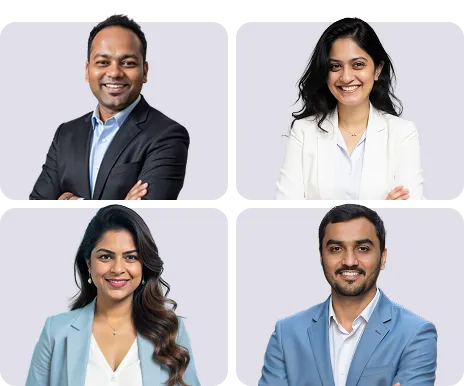
Prompt 24: LinkedIn AI headshot for women: "40-year-old Black woman in a fitted burgundy blazer and minimal pearl earrings, warm and confident expression, direct eye contact, clean soft grey background, soft studio lighting from the front left, centered composition, close-up shot from shoulders up, sharp focus on face and eyes, photorealistic, highly detailed, 8K, LinkedIn profile photo. Negative: blurry, casual clothing, busy background, watermark, text, bad anatomy, harsh shadows"
Prompt 25: LinkedIn AI headshot for men: "32-year-old Indian man in a crisp white dress shirt and navy tie, genuine smile, direct eye contact, clean white to light grey gradient background, soft three-point studio lighting, centered composition, close-up from shoulders up, sharp focus on face, photorealistic, highly detailed, 8K, LinkedIn profile photo. Negative: blurry, casual clothing, busy background, watermark, text, bad anatomy, flat lighting, low quality"
5. AI Art & Creative template
Creative AI art is where prompting shifts from briefing a photographer to directing an entire visual world. Style, atmosphere, and detail work harder here than anywhere else. These prompts cover the most requested creative formats like anime, abstract and many more from the art generators.
Prompt 26: Cyberpunk art: "lone female hacker in a black hooded jacket sitting at a glowing terminal in a dark back alley, cyberpunk style, rain-soaked neon-lit street behind her, electric blue and hot pink neon reflections on wet concrete, high contrast dramatic lighting, volumetric light rays through the rain, cinematic low angle composition, digital concept art style, highly detailed, 8K. Negative: bright daylight, pastel colors, clean environment, watermark, text, low quality"
Prompt 27: Fantasy landscape art: "vast frozen tundra with a crumbling stone castle half-buried in snow, dark storm clouds rolling in from the horizon, a single torch light flickering in one tower window, cold blue and grey palette with warm amber accent from the torch, foreboding and desolate atmosphere, wide shot with castle on right third, dramatic stormy sky filling two thirds of the frame, digital concept art style, highly detailed, 8K. Negative: modern elements, warm sunny weather, watermark, text, blurry, low detail"
Prompt 28: Minimalist art: "lone black tree with bare branches against a deep burnt orange sky, minimalist art style, large open sky dominating the upper three-quarters of the frame, black and orange two-tone palette, tree positioned on the lower left third, flat graphic design style, no texture, sharp clean silhouette, highly detailed, 8K, minimalist poster art. Negative: busy background, multiple subjects, gradients, watermark, text, cluttered, low quality"
Prompt 29: Abstract art: "sweeping diagonal brushstrokes in deep crimson and charcoal black, bursts of gold leaf texture scattered across the surface, aggressive and emotional energy, thick impasto oil paint texture, no recognisable subjects, large canvas feel, expressive abstract expressionism style, highly detailed, 8K, abstract art. Negative: realistic subjects, faces, objects, watermark, text, low quality, flat colors"
Prompt 30: Anime character art: "teenage male warrior in dark armour standing at the edge of a cliff overlooking a burning city, sharp action anime style inspired by Attack on Titan, intense and dramatic mood, dramatic backlit lighting with fire glow from below, dark red and black palette, strong confident pose, dynamic low angle shot looking up at the figure, clean sharp line art, highly detailed, 8K, anime illustration. Negative: soft style, realistic, photographic, watermark, text, bad anatomy, low quality"
6. Pet & Animal photo template
Pet and animal images are among the most searched visual content online. Getting the expression, fur detail, and environment right in a prompt separates a generic animal stock image from AI animal or pet photo generator.
Prompt 31: Dog photo: "golden retriever puppy with fluffy cream fur and soft brown eyes, natural relaxed expression with mouth slightly open, sitting on a wooden floor near a sunlit window, soft warm natural light from the right, sharp focus on the eyes and face, shallow depth of field, blurred warm indoor background, centered composition, close-up portrait, photorealistic, highly detailed, 8K, pet portrait photography. Negative: blurry eyes, busy background, watermark, text, unnatural pose, bad anatomy"
Prompt 32: Cat photo: "sleek black domestic cat with bright green eyes and white chest patch, calm and curious expression, sitting on a grey linen armchair, soft overcast daylight from a nearby window, sharp focus on face and eyes, shallow depth of field, blurred neutral grey background, slightly off-center composition, close-up portrait, photorealistic, highly detailed, 8K, pet portrait photography. Negative: blurry eyes, busy background, watermark, text, unnatural pose, bad anatomy, flat lighting"
Prompt 33: Animal photo I: "lone grey wolf standing on a snow-covered ridge in a dense pine forest, early morning light breaking through the trees, cold blue and white tones with warm amber light catching the wolf's fur from the side, quiet and majestic atmosphere, wolf positioned on the left third with vast snowy forest filling the right, sharp focus on the wolf, photorealistic wildlife photography style, highly detailed, 8K. Negative: blurry, zoo setting, unnatural environment, watermark, text, bad anatomy"
Prompt 34: Animal photo II: "adult male lion resting on a flat rock overlooking the African savanna at golden hour, warm amber and orange tones, long shadows stretching behind him, calm and dominant atmosphere, wide shot with lion centered and vast golden grassland stretching to the horizon, sharp focus on the lion, soft bokeh on the distant landscape, photorealistic wildlife photography style, highly detailed, 8K. Negative: blurry, zoo setting, unnatural environment, watermark, text, bad anatomy, flat lighting"
Trending AI prompt to image generators all over web
Most people pick a tool because it is popular, not because it fits what they are actually trying to do. That mismatch is why prompts that work on one platform fail completely on another. The tool shapes how your prompt needs to be written. Know the tool first, then write the above given prompts.
| AI image tools |
Best for |
Output Resolution |
Key Limitation |
| Pixelbin |
Marketers, content teams, and designers who need generation, editing, transformation, and asset management in one place. |
High quality commercial output with built-in optimisation pipeline |
Built for professional workflows and not experimenting purpose. |
| Midjourney |
Artistic, mood-heavy, and stylised visuals where aesthetic quality matters most. |
1024px base, 2048px with upscale |
No free tier. Interface lives inside Discord. |
| Stable Diffusion |
Users who want total control, custom models, and technical fine-tuning. |
Up to 1024px base depending on host app |
Not beginner friendly. Requires local setup or third-party host. |
| DALL·E via ChatGPT |
Quick generation, complex scenes, and anything needing readable text inside the image |
1024px, no native upscaling |
Struggles with consistent style across generations |
| Adobe Firefly |
Designers already working inside the Adobe ecosystem who need commercially safe outputs |
High quality, commercially licensed outputs |
Requires an active Adobe subscription |
| Ideogram |
Prompts that include short text inside images |
Keep text short, use quotes, and describe font style clearly. |
|
Final thoughts
Bad prompts do not come from bad ideas. They come from incomplete instructions. Every image that came out wrong was missing one of the seven elements covered in this guide. That is all it was.
Start with the templates. Swap in your subject, adjust the style, and build from there. The more prompts you write, the faster your instinct develops for what works and what wastes a generation.
Pixelbin gives you the tools to generate, edit, and manage your visuals in one place. The prompts in this guide are built to work with it. Put them to use and close the gap between what you imagine and what you actually publish.