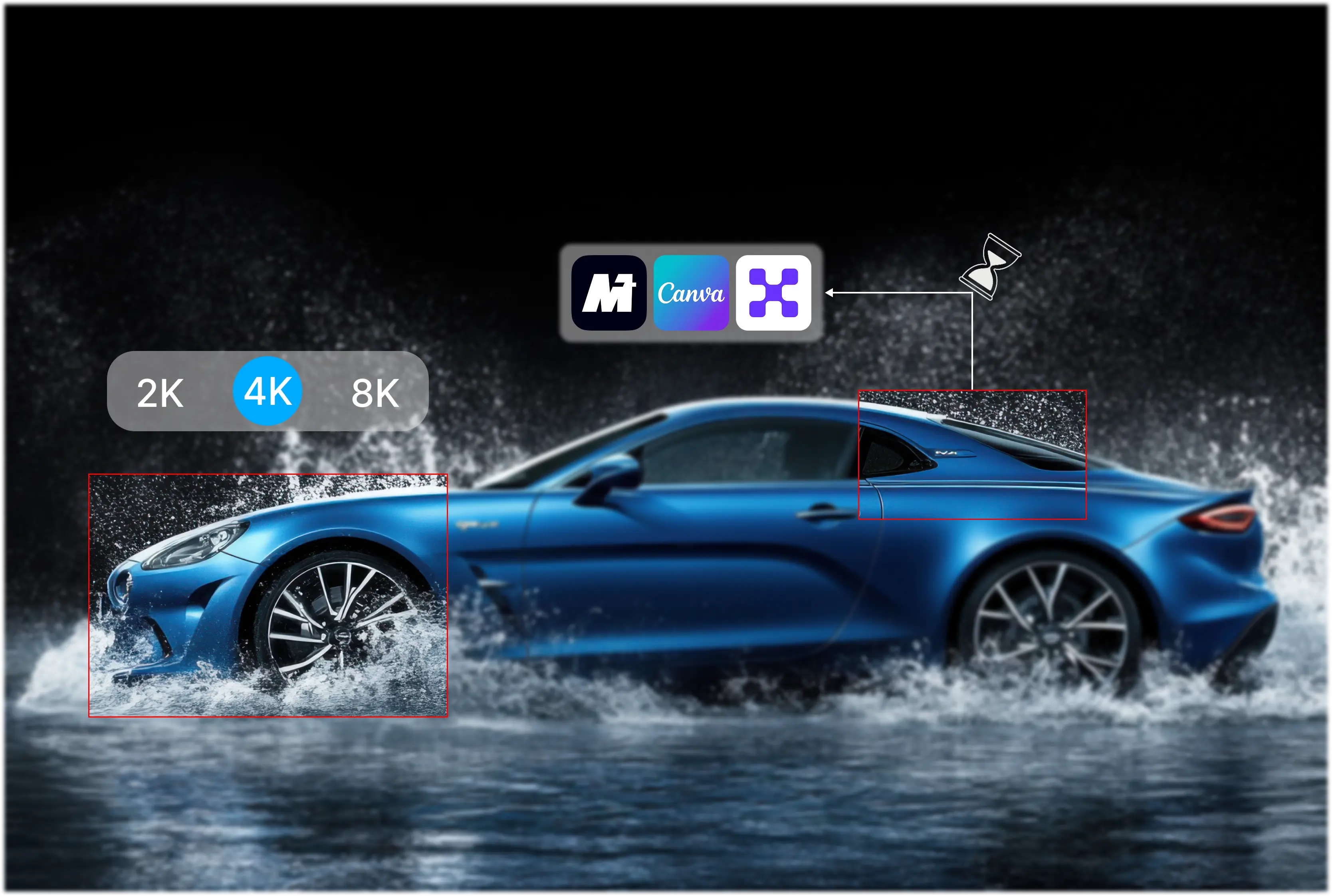


AI video upscaling sounds magical - drop in a blurry clip, get back crisp HD or 4K. But once you actually start using these tools, you realize something fast: quality is only half the story. The other half? Speed. When an upscaler takes hours to process a short video, even the best results start feeling impractical.
I’ve tested a wide range of AI video upscalers over time. The biggest question I kept coming back to wasn’t “Which one looks the best?” but “Which one finishes the job without killing my workflow?” Speed matters because video work rarely happens in isolation.
Creators are racing upload schedules, editors are juggling multiple projects, and marketers often need polished videos now, not tomorrow. A slow upscaler can quietly become the bottleneck that delays everything else.
This comparison is for YouTubers, video editors, social media managers, marketers, and anyone working with large or frequent video files. If you care about turnaround time as much as output quality, you’re in the right place.
In this blog, I’ll break down which AI video upscalers are actually the fastest, where they shine, where they struggle, and which ones make sense depending on your setup.
What does “Fast” mean in AI video upscaling?
When people ask for the fastest AI video upscaler or the best image upscalers, they’re usually thinking about one thing:
How quickly can I get my final image or video? But in practice, “Fast” is a mix of a few different factors, and ignoring any one of them can lead to disappointment.
1. Processing time vs export time
Processing time is how long the AI takes to analyze and enhance each frame. Export time is how long it takes to turn those processed frames into a playable video file.
Some tools look lightning-fast during processing but slow to a crawl at export, especially with longer videos or higher resolutions. In real-world use, both matter. If a tool processes quickly but exports slowly, your overall wait time still suffers, and that’s what you actually feel when deadlines are involved.
2. Local vs cloud-based upscaling
Local upscalers run on your machine, using your CPU or GPU. When they’re optimized well, and you have decent hardware, they can be extremely fast. The downside? Performance drops sharply on older systems.
Cloud-based tools shift the heavy lifting to remote servers, which sounds ideal, but speed then depends on server load and queue times. Sometimes they’re instant. Sometimes you’re waiting longer than expected.
3. Hardware and internet dependency
Speed isn’t just about the software. Local tools depend heavily on your GPU, VRAM, and system memory. Cloud tools depend on your internet speed and stability. Over time, I’ve found the “Fastest” tool is often the one that best matches your setup, not the one with the biggest marketing claims.
List of fastest AI video upscalers
After putting 12 AI video upscalers through the test, a few trends stood out. Almost all offer free trials or credits, and several even let you preview the upscaled video before downloading, which is awesome when you’re comparing quality without spending money.
Most of the tools are cloud-based, meaning you just upload to your browser - no installs, and no waiting for local rendering. That setup makes them fast for short to medium clips (often processing in seconds or a few minutes). Let's explore each tool one by one.
1. Pixelbin

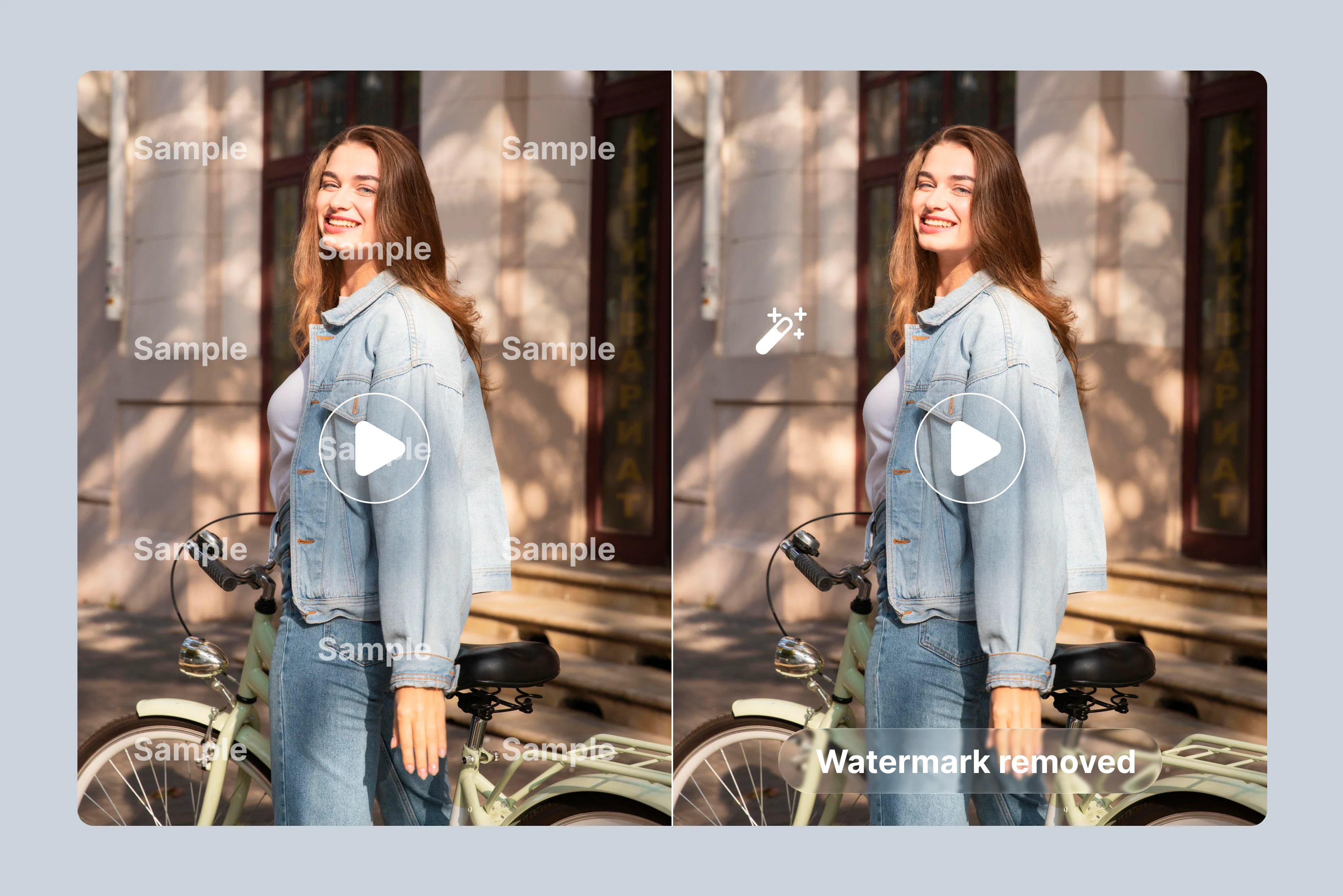
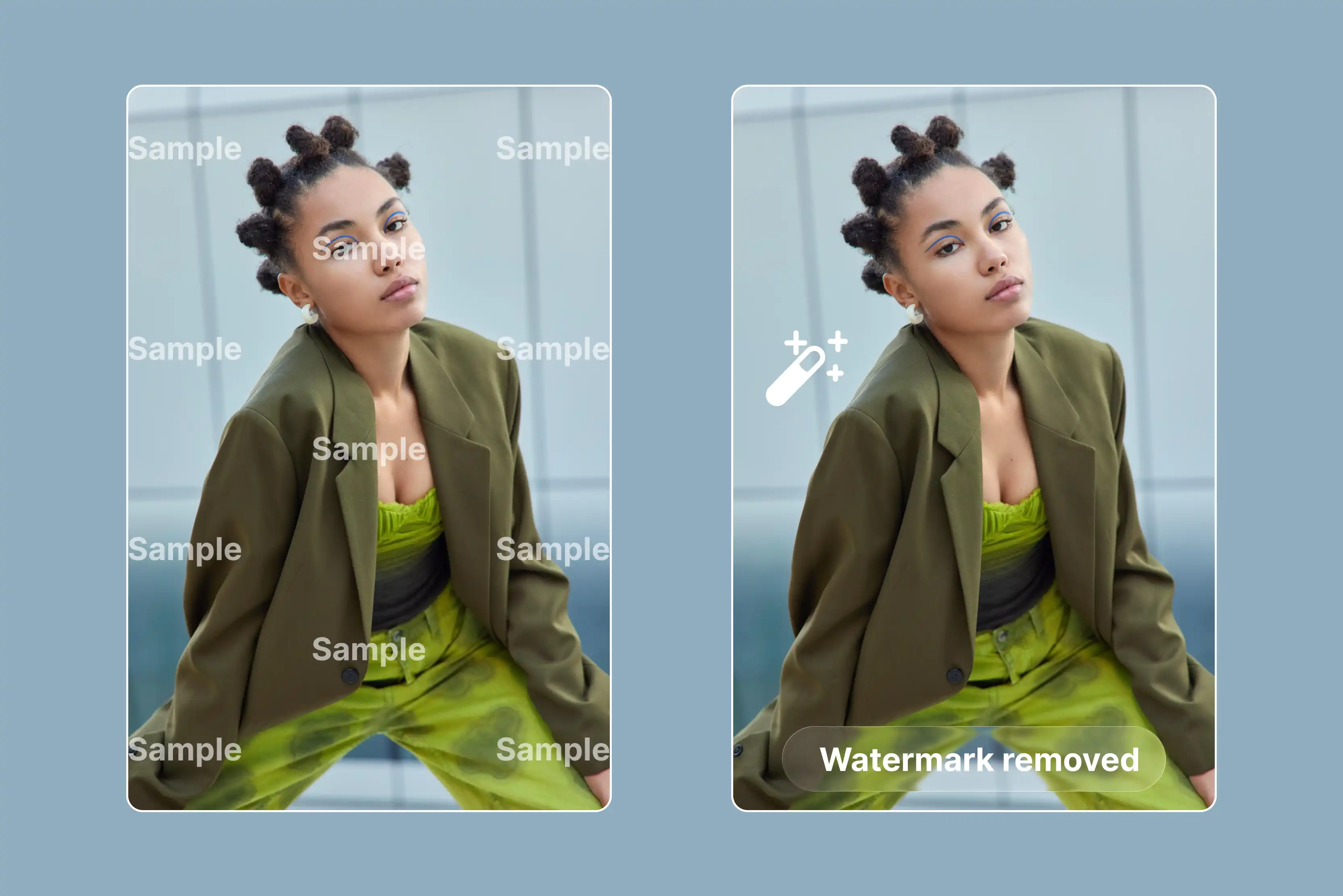
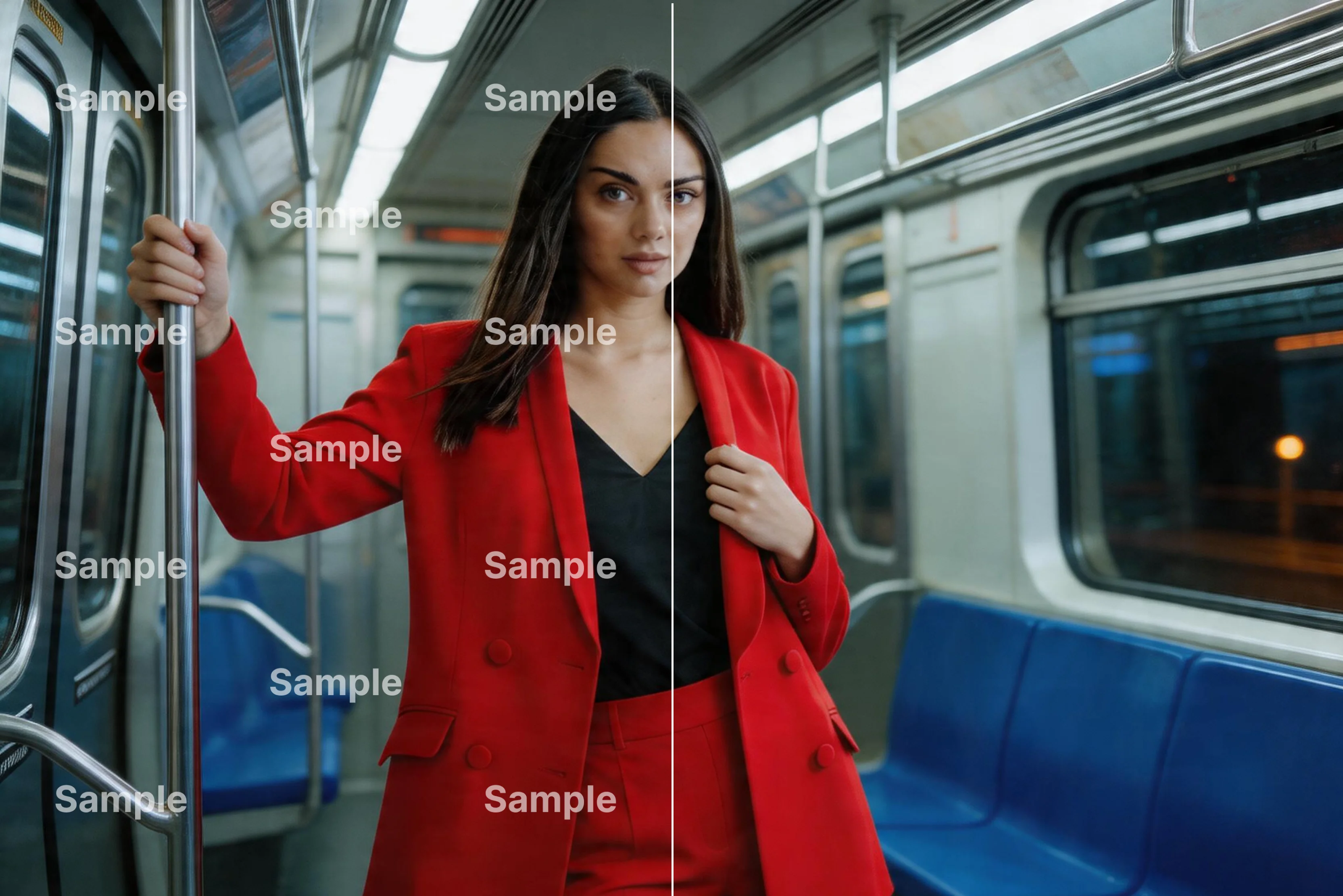
You upload a video, choose an upscale level, and Pixelbin’s AI enhances resolution, sharpens details, and reduces noise without overprocessing frames. Everything runs in the browser, so there’s no software to install, and it fits neatly into Pixelbin’s broader media pipeline.
What I like is the free trial preview; you can check the quality before committing credits. It’s fast and practical for social and marketing videos, though extremely low-quality footage still has limits, which keeps expectations realistic.
2. Canva
When you upload a video, Canva automatically detects the existing resolution and lets you choose the output resolution you want before exporting. You can also apply enhancement styles like general, anime, or portrait, depending on the content type.
That said, it has clear limits: the maximum video size is 1920×1080 or 30 MB, the maximum duration is 60 seconds, and the frame rate is capped at 60 fps. It supports common formats like MP4, MOV, and MKV. For quick social videos, it works well, just don’t expect heavy-duty upscaling.
3. YouCam online editor
YouCam Video goes beyond selfies and actually makes video upscaling feel approachable. You upload a clip, and the AI automatically analyzes frames to improve sharpness, reduce noise, and enhance overall clarity. It can upscale low-resolution videos up to 4K, and it does a solid job with facial details and color refinement when people are in the frame.
The workflow is refreshingly simple: upload, process, preview, download. That said, the free version adds a watermark, and cloud-based processing means speed depends on your internet. It’s not a pro editing suite, but for quick, social-ready upgrades, it’s genuinely useful.
4. Cutout.pro
It is one of those tools I keep coming back to when I need a quick quality boost without wrestling with complex settings. You upload your clip, and it automatically reduces noise, motion blur, and artifacts, giving you a smoother, cleaner result even from low-resolution sources like 240p or 360p.
It supports common formats like MP4, WebM, MOV, and GIF, and can upscale videos up to 2K- 4k of max file size of 2GB directly in the browser. It also includes shake stabilization and motion interpolation to smooth footage. It’s not a pro suite, but for social clips and quick fixes, it’s refreshingly straightforward and genuinely useful.
5. Media.io
Media.io’s AI Video Enhancer & Upscaler makes boosting video quality feel surprisingly simple even if you aren’t a tech person. You upload an MP4 or MOV clip (up to about 200 MB for paid users) and the AI automatically analyzes and enhances it to reduce blur, noise, and shakiness while upscaling up to 4K resolution with 2X or 4X factors.
It runs entirely in your browser, so no software installs are needed and the interface stays friendly. Free users can preview limited frames and export with caps on size and length, while paid plans let you upscale full videos quickly with solid results.
6. Flixier
Flixier’s AI Video Enhancer lets you bring low-resolution clips closer to modern standards without complicated tools. You upload a video in your browser, pick an upscale factor (2x, 3x, or 4x), and the AI boosts clarity while reducing grain, noise, and color blotches all up to 4K resolution if your source supports it.
You can preview short clips before enhancing the whole video, which helps avoid wasted time. Because it’s cloud-powered, processing feels fast even on basic computers. This isn’t a heavy pro restoration suite, but for social, marketing, or quick project use, it gives you real quality improvements in minutes.
7. Vmake
I’ve tested Vmake’s AI upscaler and it’s a handy, no-fuss way to improve low-res clips. You upload (MP4/MOV/etc.), pick a target (1080p, 2K, 4K or higher) and the AI sharpens detail, reduces noise and balances color automatically.
Vmake includes scenario-specific models for portrait, anime, and game footage so results fit the style, and it supports batch uploads (up to 3 videos at once) great when you’ve got several clips to fix. It’s browser-based and fast, but don’t expect miracles: extremely blurred footage won’t become pristine.
8. Upscale.media
I’ve spent time testing Upscale.media’s AI video upscaler, and it’s built for people who want better quality without technical headaches. You upload a short video (MP4, MOV, WebM) of max. one minute length, choose an output like HD, Full HD, or 4K, and the AI enhances resolution, sharpness, and motion clarity directly in your browser.
What I like most is the preview option, you can watch the upscaled result before downloading, which saves time and credits if it’s not right. It’s fast and beginner-friendly, though extremely blurry footage still has limits. For quick fixes, it’s genuinely practical.
9. Domo AI
I’ve tested Domo AI’s video upscaler, and it’s clearly built for creators who want quality without complexity. You upload your clip, choose an output resolution like 1080p or 4K, and the AI enhances each frame by sharpening details, reducing noise, and improving overall clarity, not just resizing pixels. Everything runs in the browser, so there’s nothing to install.
What stands out is the flexibility: once processed, you can preview the result and share the upscaled video directly to social platforms. It works best on reasonably clear footage; heavily blurred videos still have limits, which feels refreshingly honest.
10. Wink
I’ve been using Wink’s AI video enhancer and it’s surprisingly friendly for boosting low-res footage into HD or 4K quality with just a few clicks. You upload your clip, pick a resolution like 1080p, 2K or 4K, and the AI sharpens details, reduces noise, and restores clarity so your video actually looks better not just bigger.
What I really appreciate is the real-time preview and export options, so you can tweak before saving. While it’s great for social videos and everyday clips, very grainy footage still has limits, so don’t expect magic on every file.
11. Picwand AI
I’ve spent time with Picwand AI’s Video Upscaler, and it’s one of those “Set-and-forget” tools that actually delivers. You upload a low-res clip online, click to upscale, and the AI boosts resolution up to 4K, sharpens details, reduces noise, and even performs basic color correction - all without stretching pixels awkwardly.
The process is quick, browser-based, and beginner-friendly, so you don’t need editing chops to see real improvements. I appreciate that it preserves aspect ratio and handles common formats (MP4/MOV/AVI etc.). It’s not magic, extremely blurry footage still looks soft but for everyday upscaling, it’s genuinely useful.
12. Fotor
I’ve been using Fotor’s AI video upscaler, and it’s one of the easiest ways to boost quality without a complicated editor. You upload a low-res clip (MP4, MOV, WebM, AVI), and the AI automatically analyzes every frame to increase resolution (HD, 1080p, even 4K), reduce noise, sharpen details, and correct colors, all right in your browser.
What I appreciate the most is the free trial preview. You get to see a sample before downloading the full result. It’s beginner-friendly and great for old clips or social videos, though extreme blur still has its limits.
Key factors that affect video upscaling speed
If two people use the same AI video upscaler and get wildly different speeds, it’s usually not a bug but the context. Over time, I’ve noticed that upscaling speed depends less on bold feature lists and more on a few practical factors that quietly do the real work behind the scenes.
1. Video length and resolution
This one’s obvious, but it’s still easy to underestimate. A 30-second 720p clip might finish in minutes, while a 10-minute 4K video can take exponentially longer.
Every extra frame and every jump in resolution adds more work for the AI. Fast tools handle short clips well, but truly efficient ones stay stable as video length and resolution increase.
2. AI model complexity
More advanced AI models usually give better-looking videos, but they also take more time and power to process. Some tools focus on speed by using simpler models, while others focus on detail, even if the video takes longer to finish.
Neither approach is wrong, but it’s worth knowing which trade-off you’re making. Personally, I prefer tools that let you choose between “Fast” and “High-quality” modes instead of forcing one path.
3. Batch processing support
If you upscale videos often, batch processing can quietly save hours. Tools that handle multiple files at once without slowing everything down feel dramatically faster in real workflows.
Without batch support, even a quick upscaler becomes tedious when you’re processing videos one by one.
4. GPU acceleration
This is the real speed multiplier. Upscalers that fully use GPU acceleration especially on modern NVIDIA or Apple Silicon chips can be several times faster than CPU-only tools.
Without proper GPU support, even well-designed software starts feeling sluggish. For speed-focused users, this feature isn’t optional but essential.
Cloud-based vs desktop upscalers: which is quicker?
Desktop upscalers run locally on your machine, using your CPU or GPU. When they’re paired with a strong GPU, they’re hard to beat. There’s no upload time, no waiting in a server queue, and no internet dependency.
The downside shows up quickly on weaker systems. If your hardware isn’t up to the task, “Fast” turns into fans spinning and timelines stretching longer than expected. Cloud-based upscalers flip the model.
They move the heavy processing to remote servers, which can feel incredibly quick, especially if you’re working on a lightweight laptop. But speed here isn’t guaranteed. Upload times, server traffic, and file size limits all play a role. Sometimes a clip finishes in minutes. Other times, you’re stuck waiting.
So when do cloud tools actually win on speed? Short videos, decent internet, and busy workflows. If you need quick results without stressing your hardware, cloud upscalers often feel faster in practice even if the processing itself isn’t technically quicker.
Conclusion
When it comes to choosing the fastest AI video upscaler, there’s no single winner for everyone. In my testing, cloud-based tools consistently delivered the quickest results for short videos, thanks to powerful servers and zero setup time.
Desktop software can catch up (or even win) on long or 4K files if you have a strong GPU, but it demands more patience and resources. The good news? With free trials and previews widely available, you don’t have to guess. Test a few, time the results, and pick the one that fits your speed-quality balance best.
FAQs
Speed comes down to model efficiency, hardware acceleration, and workflow design. Tools that use optimized neural networks, GPU acceleration, and trimmed inference pipelines can process frames more quickly. Cloud tools also distribute processing across powerful servers, while desktop tools rely on your GPU/CPU performance. Faster models tend to skip redundant computations and prioritize quicker detail reconstruction.
For quick short clips, online upscalers like CapCut, Canva, or simpler cloud tools often finish first because they’re optimized for fast inference and short jobs. They aren’t always the highest-quality but they get HD or 4K previews done fast for social sharing.
Often yes for short jobs, because cloud servers use powerful GPUs and manage scaling across many machines. But for really large or long videos, a desktop with a high-end GPU can sometimes match or beat cloud speeds because there’s no upload/download overhead.
Generally yes: faster models can sacrifice some fine detail to deliver results quickly. High-quality desktop tools like Topaz Video AI take longer because they run deeper, heavier neural networks that restore more texture and clarity. Quick web tools are great for convenience, but might smooth out details.
For 4K or longer clips, specialized desktop software with GPU acceleration usually outperforms browser-based services because it avoids data transfer delays and uses local hardware power.
Yes, sometimes. Budget tools like Pixelbin, CapCut, etc., or simple online upscalers can be fast and sufficient for social media, quick projects, or rough drafts. But for cinematic-grade footage or high-end postproduction, paid or desktop solutions with stronger models deliver unmatched quality and speed when handling large files.